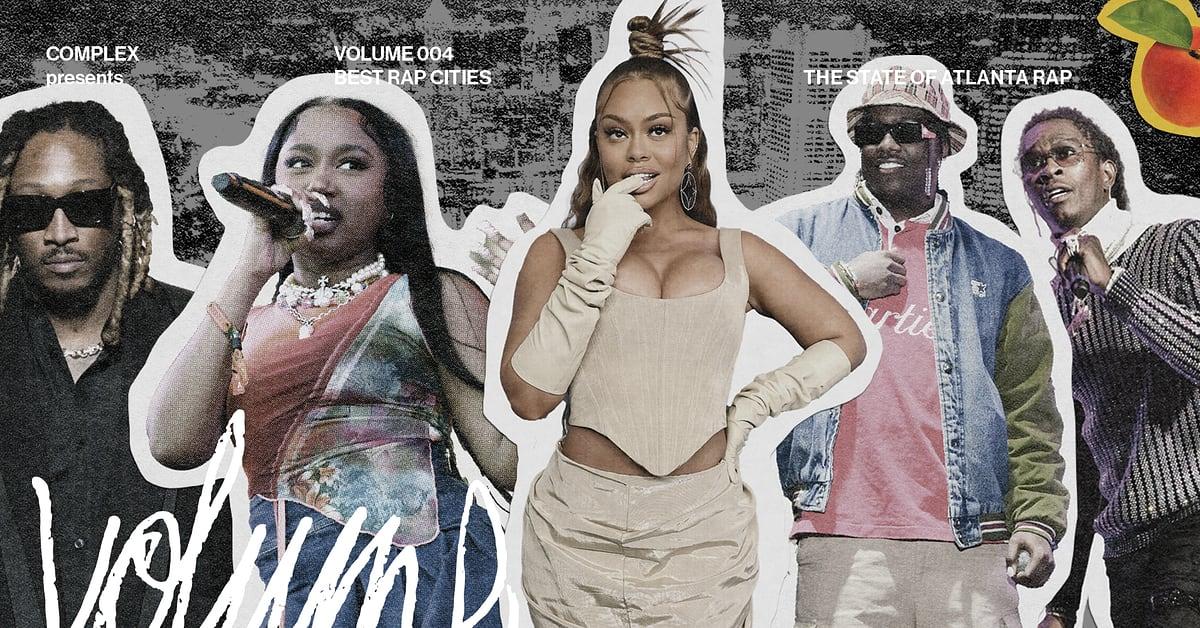
Introduction: A Journey Through Hip-Hop History


Hip-hop has undergone one of the most remarkable transformations in modern music history. From its humble beginnings in the Bronx during the 1970s to the global dominance of trap music today, the genre has continuously evolved to reflect changing cultures, technologies, and audience preferences. Old School Rap laid the foundation for hip-hop by introducing rhythmic storytelling, DJ techniques, and community-driven performances. Over the decades, new generations of artists expanded the genre, experimenting with fresh sounds and production styles. Today, trap music dominates streaming platforms and charts worldwide, representing the latest chapter in hip-hop’s ongoing evolution. Understanding this journey provides valuable insight into how rap music became one of the most influential forms of artistic expression in the world.
The Birth of Old School Rap


Old School Rap emerged during the late 1970s and early 1980s as a cultural movement rooted in New York City’s urban communities. DJs played a central role by using turntables to extend instrumental breaks from funk, disco, and soul records while MCs entertained crowds with rhythmic speech and crowd interaction. Early rap songs focused on party themes, self-expression, and community engagement rather than the darker social commentary that would emerge later. The music relied heavily on live DJ performances, scratching techniques, and simple drum patterns. These foundational elements established the framework that would shape hip-hop culture for generations to come.
The Rise of Lyricism and Storytelling


As hip-hop matured during the late 1980s and 1990s, lyricism became increasingly important. Artists began using rap as a platform to discuss social issues, personal experiences, and life in urban America. Complex rhyme schemes, wordplay, and storytelling became defining characteristics of the genre. This period is often considered the “Golden Age” of hip-hop because of its emphasis on creativity and lyrical excellence. Many artists gained recognition for their ability to craft compelling narratives that reflected both personal struggles and broader societal realities. These innovations elevated rap from a party soundtrack to a respected form of artistic and cultural expression.
The Southern Influence and the Birth of Trap


During the late 1990s and early 2000s, hip-hop’s center of influence began shifting toward the Southern United States. Cities such as Atlanta played a crucial role in developing new sounds that would eventually lead to the creation of trap music. The term “trap” originally referred to locations associated with street-level drug activity, and early trap lyrics often described the realities of life in these environments. Producers developed a distinctive sound characterized by heavy bass, rapid hi-hat patterns, dark melodies, and hard-hitting drums. This innovative production style quickly gained popularity and established the foundation for what would become one of the most dominant subgenres in modern music.
Technology Changes the Sound of Rap


Advances in music technology significantly accelerated the evolution from traditional rap to modern trap. Digital audio workstations, virtual instruments, and affordable production software allowed producers to create professional-quality beats from home studios. These tools made it easier to experiment with sounds, effects, and production techniques that were previously inaccessible to independent artists. Auto-Tune became particularly influential, enabling artists to blend singing and rapping in new ways. As technology continued to advance, producers gained greater creative freedom, resulting in the polished and highly engineered sound that defines much of today’s trap music.
The Streaming Era and Trap’s Global Expansion


The rise of streaming platforms helped propel trap music to unprecedented levels of popularity. Services such as Spotify, Apple Music, YouTube, and SoundCloud allowed artists to reach global audiences instantly without relying exclusively on traditional radio or record labels. Trap’s energetic beats and catchy hooks proved highly effective in playlist-driven listening environments. Social media further amplified the genre’s reach by enabling viral trends, dance challenges, and direct fan engagement. As a result, trap music quickly expanded beyond the United States and became a global phenomenon influencing artists across Europe, Latin America, Africa, and Asia.
Modern Trap as Mainstream Pop Culture


Today, trap music is no longer viewed as a niche subgenre within hip-hop. Instead, it has become one of the defining sounds of mainstream popular music. Elements of trap production can be heard in pop, R&B, electronic music, and even country collaborations. Many of the biggest artists in the world incorporate trap-inspired beats, hi-hats, and bass patterns into their recordings. This widespread influence demonstrates how far the genre has evolved from its regional roots. Modern trap has become a cultural and commercial powerhouse that shapes musical trends across multiple genres and industries.
Conclusion: A Legacy of Continuous Innovation


The journey from Old School Rap to Modern Trap illustrates hip-hop’s extraordinary capacity for adaptation and innovation. What began as a community-driven movement centered around DJs and MCs has grown into a global industry that influences music, fashion, technology, and culture. Each era of hip-hop has contributed unique ideas and creative breakthroughs that have expanded the genre’s possibilities. While the sounds, production techniques, and lyrical styles have changed dramatically over time, the core spirit of self-expression and storytelling remains intact. As new technologies and artistic influences continue to emerge, hip-hop will undoubtedly keep evolving, ensuring that its legacy remains relevant for future generations.