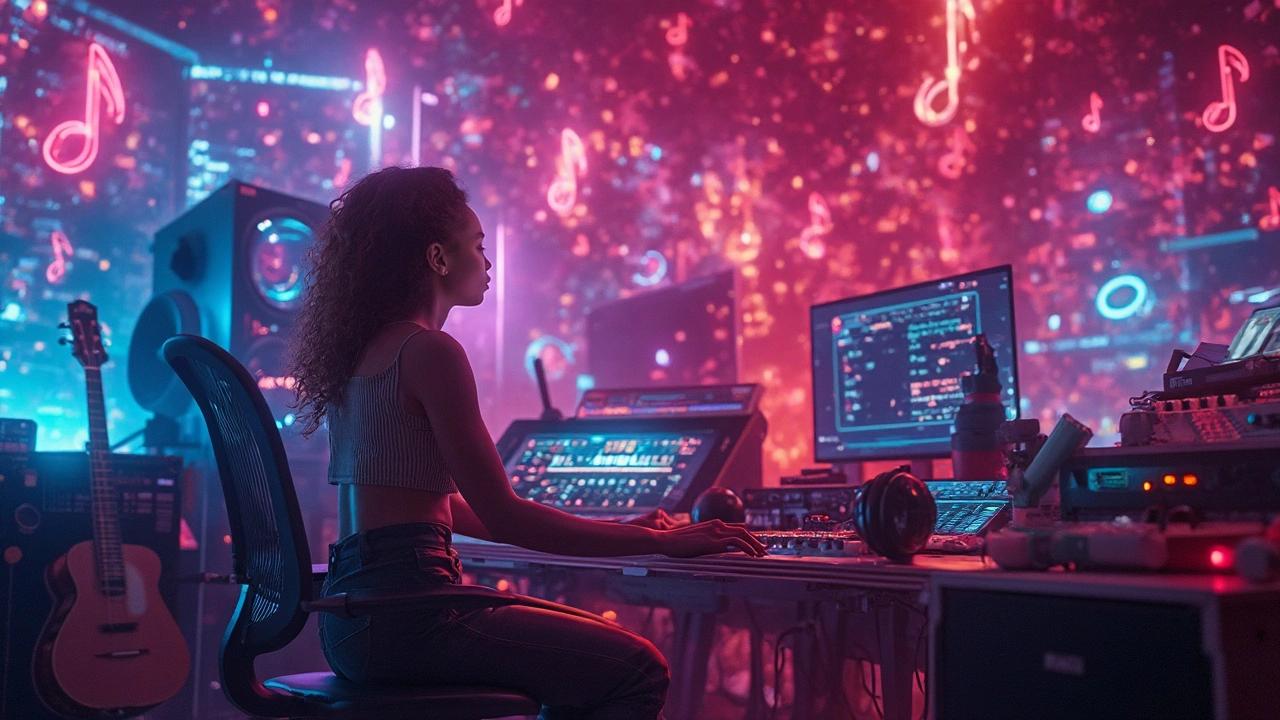
Introduction: A New Chapter for Pop Music


Pop music has always evolved alongside changes in culture, technology, and audience preferences. From the rise of radio and television to the streaming revolution, every generation has experienced a different version of pop music. As we look toward the next five years, the genre is expected to undergo another significant transformation. New technologies, shifting listener habits, and global connectivity will continue to redefine how music is created, distributed, and consumed. While the core purpose of pop music remains unchanged—to entertain and connect people through memorable songs—the methods used to achieve that goal are rapidly evolving.
The Continued Growth of Streaming Platforms


Streaming services will remain the foundation of the music industry over the next five years. Platforms such as Spotify, Apple Music, YouTube Music, and Amazon Music are expected to become even more personalized through advanced recommendation systems. Artificial intelligence will help platforms better understand individual listening habits, delivering highly customized playlists and music suggestions. This will allow listeners to discover new artists more easily while helping musicians reach targeted audiences. As streaming technology continues to improve, success in pop music will increasingly depend on digital visibility and engagement rather than traditional radio exposure.
Artificial Intelligence Will Transform Music Creation


Artificial intelligence is likely to become one of the most influential tools in pop music production. AI-powered software can already assist with songwriting, melody generation, vocal processing, mixing, and mastering. Over the next five years, these tools will become more sophisticated and accessible to artists of all levels. Independent musicians will gain access to professional-grade production capabilities without requiring large budgets or major-label support. While human creativity will remain essential, AI will act as a collaborative partner that helps artists explore new ideas and improve efficiency throughout the creative process.
Social Media Will Continue to Shape Music Success


The relationship between pop music and social media will become even stronger in the coming years. Platforms such as TikTok, Instagram Reels, and YouTube Shorts have already demonstrated their ability to turn songs into global hits within days. Artists and record labels are increasingly designing marketing strategies specifically for short-form video content. As new social platforms emerge and existing ones evolve, social media engagement will remain a crucial factor in determining chart success. Songs with memorable hooks and viral potential will continue to gain an advantage in the highly competitive digital marketplace.
Genre Boundaries Will Become Less Important


The future of pop music will likely involve even greater genre fusion. Today’s listeners are more open than ever to songs that blend elements of pop, hip-hop, R&B, country, electronic dance music, rock, and Latin music. As streaming platforms expose audiences to a wider variety of sounds, traditional genre labels may become less relevant. Artists will focus more on creating unique musical identities rather than fitting into specific categories. This trend will encourage innovation and lead to the emergence of entirely new subgenres that reflect the diverse tastes of modern listeners.
Virtual Experiences and Digital Concerts


Technological advances are expected to transform live music experiences. Virtual reality and augmented reality technologies may allow fans to attend concerts from anywhere in the world. Digital performances, interactive fan experiences, and immersive virtual events could become common features of the music industry. These innovations will create new revenue opportunities for artists while making live entertainment more accessible to global audiences. As internet infrastructure improves and technology becomes more affordable, virtual concerts may complement traditional live performances rather than replace them.
Independent Artists Will Gain More Opportunities


The next five years are expected to provide unprecedented opportunities for independent artists. Affordable production tools, global distribution platforms, and direct access to audiences through social media have significantly reduced the barriers to entry in the music industry. Musicians no longer need major record labels to build successful careers. Instead, they can develop loyal fan communities, monetize content across multiple platforms, and maintain greater creative control over their work. This shift will likely result in a more diverse and competitive pop music landscape where talent and audience engagement play increasingly important roles.
Conclusion: An Exciting Future for Pop Music


The future of pop music over the next five years promises to be exciting, innovative, and highly dynamic. Advances in artificial intelligence, streaming technology, social media, and virtual experiences will continue to reshape the industry in ways that were unimaginable just a decade ago. At the same time, artists will have more creative freedom and greater access to global audiences than ever before. While technology will play an increasingly important role, the essence of pop music will remain rooted in emotional storytelling, memorable melodies, and meaningful connections with listeners. As the industry evolves, pop music will continue to adapt, innovate, and inspire audiences around the world.